What are Asian Hair Extensions?
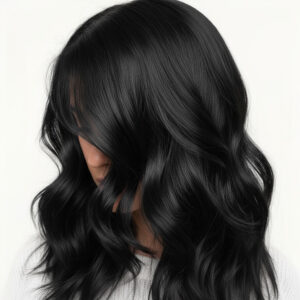
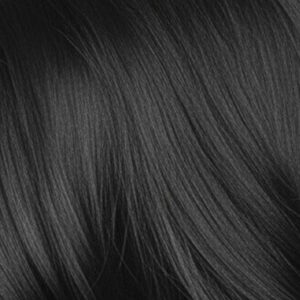
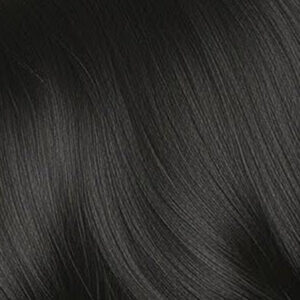
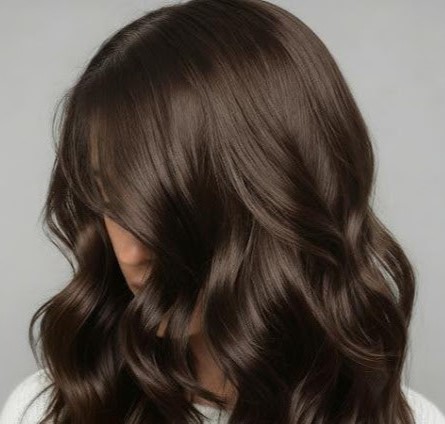
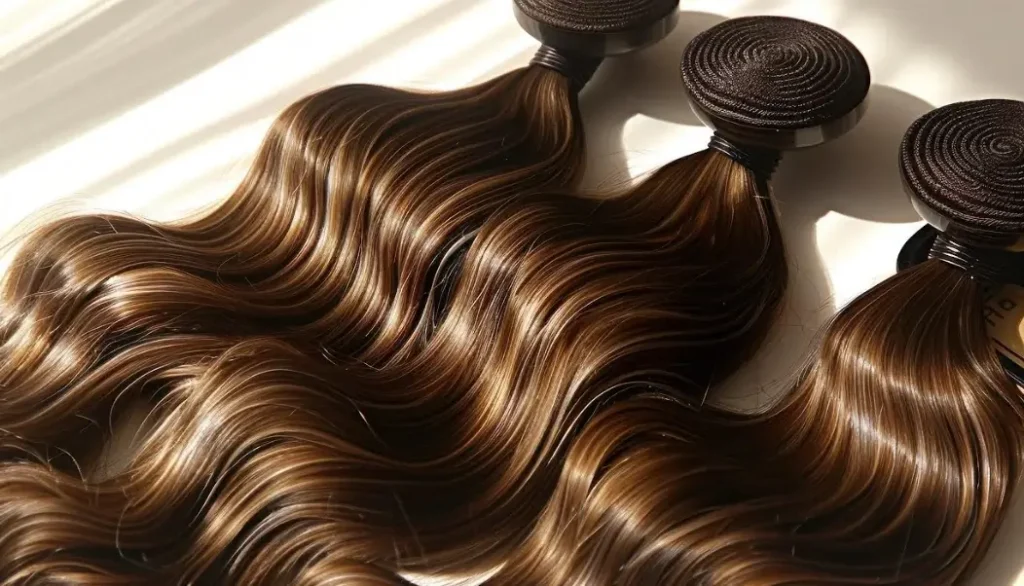
Asian hair extensions are strands of real human hair added to your natural hair to increase its length, perhaps volume, or simply to restyle its appearance. Our Asian hair extensions are from donors of Asian descent, most commonly from countries in East Asia and Southeast Asia hence the term refers primarily to the origin of the donor (and their hair). Natural, unprocessed Asian hair extensions generally have distinct characteristics: straightness, dark color, thick strands are typical of hair from Asia, though the final texture and color of the extensions will depend on how the hair has been processed.
Because of these qualities, Asian hair extensions in Los Angeles are especially popular among clients seeking sleek, straight, and naturally dense results. Likewise, many salons offering premium Asian hair extensions in New York City value the strength and durability of this hair type
Asian Hair Extension Texture
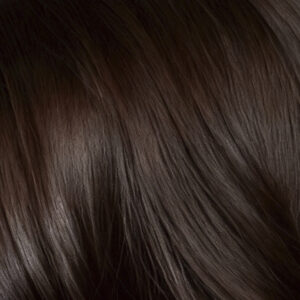
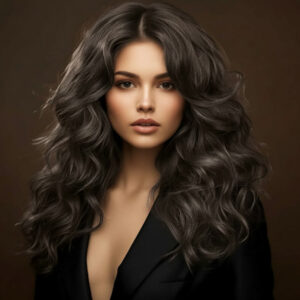
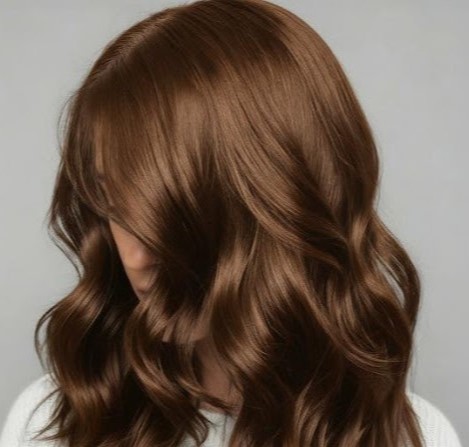
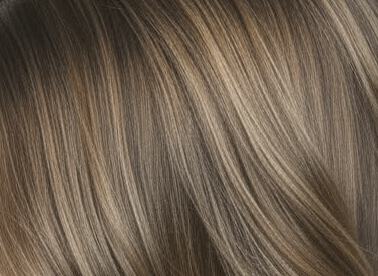
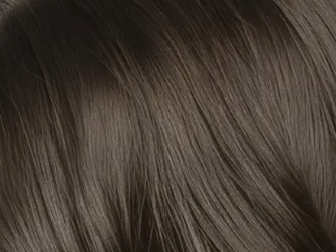
Asian hair extensions are predominantly straight in texture and dark in color. Hair texture refers to the hair’s wave pattern (straight, wavy, curly, coily) and is important because texture is key to achieving a natural and seamless blend with your own hair. If the texture of your hair extensions doesn’t match or complement your natural hair, your hair extensions won’t blend in and will be noticeably unnatural.
This is why clients searching for the best straight Asian hair extensions for Houston humidity often prioritize texture consistency, as straight textures tend to respond more predictably in humid climates.
In addition to natural blending, texture influences your hair’s natural flow and movement once styled. Thus using extensions with a texture that matches your natural hair makes styling and maintenance easier as you will have a single unified natural behavior to manage. Individual Asian hair extension strands tend to be thicker and stronger compared to Caucasian hair types. Strand thickness is important in achieving a seamless blending, natural look and feel. If the hair extension strands are too thick or too thin compared to your natural hair, blending and styling a natural look becomes difficult.
In addition to blending, strand thickness influences the hair’s overall perceived volume and density for a given weight of extensions, as bundles made of finer strands often appear denser than those of the same weight made from thicker strands — one reason why premium Asian hair extensions in New York City are often selected for fuller styles.
Asian Hair Extensions & Rain
How Asian hair extensions hold up in the rain depends primarily on their texture, overall quality, and how they have been processed. Straight Asian hair extensions may lose some volume or become slightly limp but do reasonably well in rain and are less prone to frizz than curly hair.
This makes Asian hair extensions for Seattle’s rainy weather a practical option, particularly when the hair is minimally processed and the cuticles remain intact.
On the other hand, if you’ve heavily processed your hair extensions, bleached or permed them into a different texture, they may be more likely to frizz up when exposed to rain, just as any chemically treated hair does. At the end of the day hair extensions with intact cuticles will repel water better and resist tangling in rain, whereas damaged cuticles (from processing) will absorb moisture and likely frizz up.
Asian Hair Extensions & Humidity
How Asian hair extensions hold up in humidity depends on their quality, texture and most importantly, the amount of processing they have undergone. Asian hair extensions are usually straight and more resistant to humidity than naturally curly or wavy hair.
For clients looking for the best straight Asian hair extensions for Houston humidity, intact cuticles and minimal processing are key factors in maintaining smoothness and shine.
Straight extensions can become flatter or develop a soft wave in humid conditions, but are less prone to frizz and expansion than textured hair. However, if the Asian straight hair extensions are strongly bleached to create lighter colors or permed to be wavy or curly, the hair becomes more porous and the cuticle can be damaged.
Damaged cuticles absorb moisture from humidity triggering frizz just as your natural hair reacts should your cuticles become damaged. Hair extensions with intact cuticles or high-quality “Remy” hair resist moisture absorption better, dramatically resist frizz and enable the hair extensions to maintain their style even in humid weather — which is especially beneficial for Asian hair extensions suited for Texas heat.
Why do People Prefer Asian Hair Extensions?
People seeking straight hair extensions love Asian hair extensions because they tend to have thicker strands and a strong, resilient cuticle, which contributes to their durability and strength.
When properly maintained, they can perform well in different climates, including conditions requiring long-lasting Asian hair extensions in Boston climate, where seasonal humidity and dryness fluctuate.
Furthermore, when collected and processed correctly with cuticles intact and aligned (known as Remy hair) they are less likely to tangle — a major reason why premium Asian hair extensions in New York City remain in high demand
Are Asian Hair Extensions Thick or Thin Compared to Other Types of Extensions Hair?
In comparison to Caucasian (European) hair, individual strands of natural Asian hair are considered thicker. It’s also considered to have thicker strands on average than South American hair (which often includes types referred to as Brazilian, Peruvian, or Colombian).
Asian hair generally has the largest individual strand diameter for each hair fiber. This difference in strand thickness is important for extensions as it affects how well the hair blends with different natural hair types and influences the perceived volume and feel of the extensions — something clients looking for Asian hair extensions in Los Angeles often consider when selecting bundles.
Is Asian Hair Considered Good Quality for Making Hair Extensions?
Yes, Asian hair is generally considered to have the potential for very good quality when used for hair extensions, due to its natural strength, durability, and robust cuticle in its unprocessed state.
However, the final quality of Asian hair extensions is critically determined by the level of processing they undergo, particularly the harshness of bleaching required to achieve lighter colors from naturally dark hair.
When properly sourced and minimally processed, they can provide long-lasting Asian hair extensions in Boston climate, maintaining durability even through seasonal changes.
Therefore, while the raw hair has advantageous properties, the term “Asian hair extensions” doesn’t guarantee quality; it’s essential to look for indicators like “Remy” or “Virgin” (unprocessed) to ensure the hair has maintained its integrity and is truly of high quality
What is the difference Between Asian Hair Extensions and Indian Hair Extensions?
Asian hair extensions (often referring to hair from East/Southeast Asia like China or Vietnam) and Indian hair extensions generally differ in their characteristics.
Hair from East/Southeast Asia tends to have thicker individual strands and is most often naturally straight, with predominantly dark colors. This natural straightness is one reason many clients searching for the best straight Asian hair extensions for Houston humidity prefer this hair type.
Can Asian Hair Extensions be Dyed, Bleached, or Styled with Heat?
Yes, Asian hair extensions can be dyed, bleached, and styled with heat, but the outcome or success depends on the quality of the extensions and any previous processing.
Since natural Asian hair is typically dark, lightening it requires more intensive chemical processing which can damage the hair’s cuticle. For example bleaching dark Asian hair requires removing pigment, which damages the hair’s protective outer layer, the cuticle, leaving the hair porous and vulnerable.
This is especially important when selecting Asian hair extensions suited for Texas heat, where excessive dryness combined with chemical processing can weaken the hair further.
High-quality, unprocessed (“Virgin”) Asian hair will handle dyeing and bleaching much better than hair that has already been colored or treated. While you can indeed style with heat tools, excessive heat, especially on hair that has already been processed, can damage the hair over time.
How Long Do Asian Hair Extensions Last?
Lifespan of Asian hair extensions varies depending the quality of the hair itself, how much processing it’s undergone, and how well the extensions are cared for by the wearer.
Generally, with quality and healthy care, Asian hair extensions can last anywhere from 3 to 6 months with regular wear, and higher quality options might last a year or even longer — particularly when properly maintained as long-lasting Asian hair extensions in Boston climate.
Do Asian Hair Extensions Tangle Easily?
The cause of tangling and matting in hair extensions is the condition and alignment of the hair’s cuticle, the outermost layer.
If the cuticles are intact and all run in the same direction (which is Remy hair), the hair strands lay smoothly against each other and resist tangling. This is why premium Asian hair extensions in New York City and Asian hair extensions in Los Angeles are often marketed as Remy to ensure smoothness and manageability.
However, if the cuticles are stripped, damaged, or misaligned, the overlapping scales snag, causing significant tangling and matting. This constant catching and interlocking of scales leads directly to tangling, knotting, and matting, making the extensions incredibly difficult to manage, prone to breakage, and shortening their usable lifespan.