
How to Wash and Condition Hair Extensions Without Damaging Them
Knowing how to wash and condition hair extensions correctly is one of the biggest factors in how long they last and how natural they continue to look. Extensions do not receive the same nourishment from your scalp's natural oils that the rest of your hair does, so the way you cleanse and hydrate them matters more than most people expect. Whether you wear clip-ins occasionally or have semi-permanent tape-ins, wefts, I-tips, or K-tips installed by a stylist, the basic washing principles are similar, though frequency and technique vary slightly by method.
Why Washing Hair Extensions Requires a Different Approach
Human hair extensions, whether Russian or Asian in origin, are no longer attached to a living scalp that produces sebum. That means they rely entirely on the products you use to stay soft, smooth, and tangle-free. Washing them the same way you wash the rest of your hair, or using whatever shampoo happens to be in your shower, can strip moisture and shorten their usable life. A gentler, more intentional routine keeps the cuticle layer smooth and helps prevent dryness, frizz, and matting over time.
How Often You Should Wash Extensions
Frequency depends on the installation method and your lifestyle. Clip-in extensions are only worn part of the time, so they typically need washing far less often, sometimes once every few weeks depending on how frequently they are worn and how much product is used on them. Semi-permanent methods like tape-ins, wefts, I-tips, and K-tips are in constant contact with your scalp and natural hair, so they usually follow a similar wash schedule to your regular hair, generally every two to three days, though this can vary based on your scalp's oil production and your stylist's recommendation.
Washing too frequently can dry out the hair, while washing too infrequently can allow product buildup to accumulate at the roots, which is especially important to avoid with tape-in extensions where buildup can affect how well the adhesive bonds stay secure.
Choosing the Right Shampoo and Conditioner
Sulfate-free, gentle formulas are the safest choice for both clip-in and semi-permanent extensions. Sulfates can strip moisture and cause the hair to feel rough or brittle over time. Look for shampoos labeled as moisturizing or specifically formulated for extensions or color-treated hair, since these tend to be milder.
Conditioner is just as important as shampoo, sometimes more so. A good conditioner replenishes moisture that the extensions cannot produce on their own. However, if you wear tape-ins, avoid applying heavy conditioner directly to the root area near the tape tabs, since oil-based or heavy conditioners can weaken the adhesive bond. Instead, focus conditioner from mid-length to ends and keep the root area clean but not overly saturated with product.
Step-by-Step Washing Method
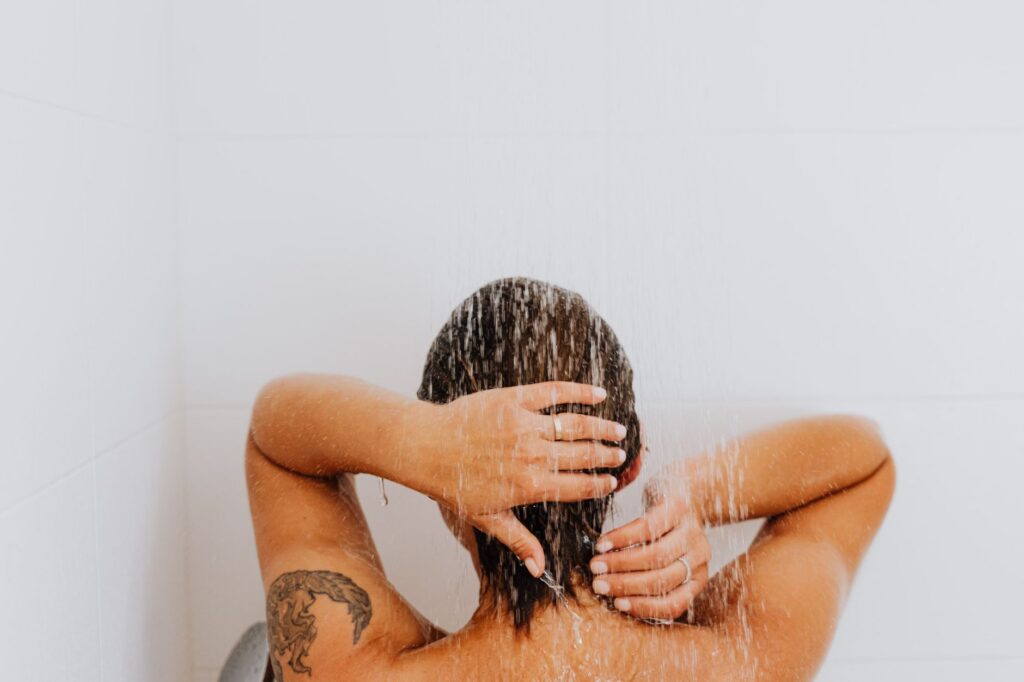
For semi-permanent extensions still attached to your natural hair, wash while standing under the shower with hair flowing downward rather than flipping your head upside down, which can cause tangling at the bonds or tapes. Gently work shampoo into the scalp using your fingertips, avoiding vigorous scrubbing or twisting motions. Let the shampoo rinse through the lengths naturally rather than rubbing it in aggressively.
For clip-in wefts, remove them from your hair before washing. Fill a basin or sink with lukewarm water, add a small amount of shampoo, and gently swish the wefts through the water. Avoid rubbing the hair together, since this can cause tangling and cuticle damage. Rinse thoroughly, then apply conditioner from mid-length to ends, gently detangling with a wide-tooth comb starting from the bottom and working upward.
In both cases, always use lukewarm to cool water rather than hot water. High heat opens the hair cuticle and can accelerate dryness and frizz, especially with repeated washing over time.
Drying and Aftercare
After washing, gently blot extensions with a towel rather than rubbing, which can cause friction and tangling. Detangle carefully with a soft-bristle brush or wide-tooth comb before the hair fully dries. If you use heat styling tools afterward, apply a heat protectant first, and keep tools on a moderate setting rather than the highest heat available.
Clip-in extensions should be laid flat or hung to air dry completely before storage. Storing them while still damp can lead to mildew odor or matting. If you want more detail on keeping clip-ins in good condition between wears, our guide on storing and traveling with clip-in extensions covers additional steps.
Common Washing Mistakes to Avoid
- Using regular clarifying shampoos too often, which can dry out the hair over time
- Applying conditioner directly at the roots of tape-in extensions
- Washing with hot water instead of lukewarm or cool water
- Rubbing or scrunching hair aggressively while shampooing
- Skipping conditioner entirely, especially on ends that see the most wear
- Brushing extensions while soaking wet, which increases the risk of stretching or breakage
When to Ask a Professional for Guidance
Every head of hair and every installation is a little different, so if you are unsure how often to wash your specific extensions or which products are best suited to your hair type, it is worth asking your stylist directly. They can factor in your natural hair texture, the extension method used, and your scalp's oil production to give you a more personalized recommendation. This is especially useful in the weeks right after installation, when getting the routine right can make a noticeable difference in how the extensions look and feel later on.
Final Thoughts on Washing and Conditioning Hair Extensions
Learning how to wash and condition hair extensions properly is a simple habit that pays off in softer, smoother, longer-lasting hair. Gentle products, lukewarm water, and careful handling go a long way toward preserving the quality of your investment. If you are exploring new extensions or want guidance on finding the right texture and method for your hair, browse the current options in our shop or reach out through our contact page for personalized advice.

