Heat Styling Hair Extensions Safely: A Complete Guide to Protecting Your Investment
Heat styling is one of the biggest perks of wearing hair extensions. You can curl them, straighten them, add waves, or blow them out to match whatever look you want. But heat is also one of the fastest ways to damage extensions if it is used incorrectly. Whether you wear clip-ins, tape-ins, wefts, or fusion methods like I-tip or K-tip extensions, understanding how to heat style hair extensions safely will help you get more wear out of every strand.
Why Heat Styling Extensions Requires Extra Care
Natural hair extensions behave similarly to your own hair, but they no longer receive nutrients from a scalp, so they cannot repair themselves the way hair growing from a follicle can. Once heat damage occurs, such as dryness, split ends, or a rough texture, it is permanent for that section of hair. This makes proper heat protection even more important for extensions than for your natural strands.
Synthetic extensions are a different story. Most synthetic fibers cannot tolerate high heat at all and can melt or frizz permanently if a hot tool touches them. If you are unsure whether your extensions are human hair or synthetic, check with the retailer or your stylist before applying any heat.
Choosing the Right Temperature
Human hair extensions generally tolerate moderate heat better than they tolerate frequent high heat exposure. As a general guideline:
- Fine or lightweight extensions typically do best with lower heat settings, since thinner strands are more sensitive to heat stress.
- Thicker or coarser textures can often handle slightly higher settings, but that does not mean maximum heat is necessary.
- Curling irons and straighteners with adjustable temperature dials give you more control than one-setting tools.
Since hair type, origin, and processing can all affect heat tolerance, it is best to start on a lower setting and increase gradually only if needed. A stylist familiar with your specific extensions can also recommend a safe range based on the hair’s texture and quality.
Heat Protection Products Matter
Applying a heat protectant before using any hot tool is one of the simplest ways to reduce damage. Heat protectant sprays or serums create a barrier that helps minimize moisture loss and reduce friction from styling tools. Look for lightweight formulas that will not weigh down the hair or build up near the bonds, tapes, or wefts.
Avoid applying heavy oils directly to tape-in wefts or bonds before heat styling, since product buildup near the attachment points can affect adhesion. Instead, focus heat protectant on the mid-lengths and ends, keeping it away from the root area where extensions are secured.
Blow-Drying Extensions the Right Way
If you wash your extensions, whether they are clip-ins removed for cleaning or professionally installed wefts and tapes, allow them to air dry as much as possible before using a blow dryer. This reduces the total heat exposure needed to finish drying.
When blow-drying:
- Use a medium heat setting rather than the highest option.
- Keep the dryer moving instead of holding it in one spot.
- Dry from roots to ends in the direction of the cuticle to help maintain a smooth appearance.
- Finish with a cool shot to help set the style and reduce frizz.
Curling and Straightening Tips
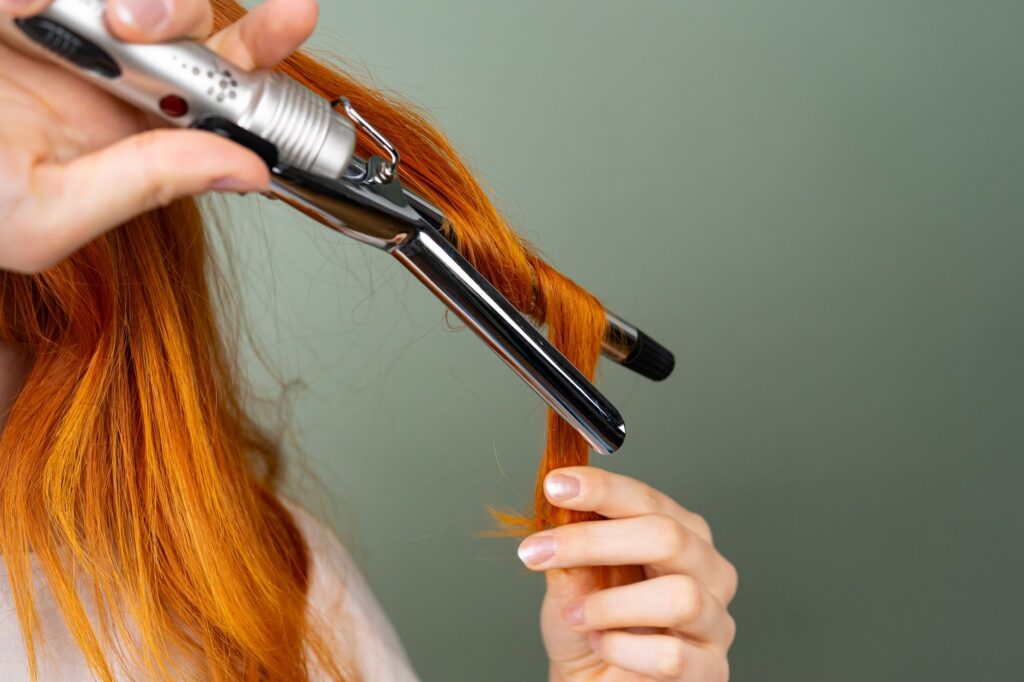
Small, consistent sections make it easier to style extensions evenly without needing to pass the hot tool over the same piece multiple times. Repeated passes at high heat are one of the most common causes of dryness and breakage.
For tape-ins, I-tips, and K-tips, be mindful of the bond areas. Avoid clamping a flat iron or wrapping a curling iron too close to tape strips or keratin bonds, since heat can soften adhesives or bonding material over time. Leave a small gap near the attachment point and style the length below it.
For clip-in extensions, styling before or after clipping them in both work well. Some people prefer to curl or straighten sections while they are off the head for more precise control, then blend them with natural hair once installed.
How Often Is Too Often?
There is no universal number that applies to everyone, since heat tolerance depends on hair quality, styling technique, and how well the hair is cared for between uses. That said, giving extensions a break between heat styling sessions and alternating with heatless styles, like braids, buns, or roller sets, can help preserve texture and shine over time.
If you notice increased dryness, tangling, or a change in how the hair reflects light, it may be a sign that heat exposure needs to be reduced or that the hair could benefit from a deep conditioning treatment.
When to Ask a Professional
If you are new to heat styling extensions or unsure about the right settings for your specific hair type, a consultation with a qualified stylist is one of the best ways to avoid costly mistakes. A professional can assess the extension’s origin, texture, and installation method, then recommend safe tools and techniques tailored to your hair.
This is especially important for semi-permanent methods like tape-ins or fusion extensions, where improper heat use near the bonds could affect how long the installation lasts.
Protecting Your Investment Long Term
Heat styling hair extensions safely comes down to using the right tools, the right temperature, and the right protective habits every time you style. Small adjustments, like lowering your heat setting, applying protectant before every session, and avoiding heat near bonds and tapes, can make a noticeable difference in how long your extensions stay smooth and healthy looking.
If you are exploring new extensions or want guidance on which method and texture best fit your styling habits, you can browse current options in the Locks n Lure Hair shop or reach out through the contact page for personalized recommendations.

