
How to Choose the Right Hair Extension Weight and Volume for Your Hair
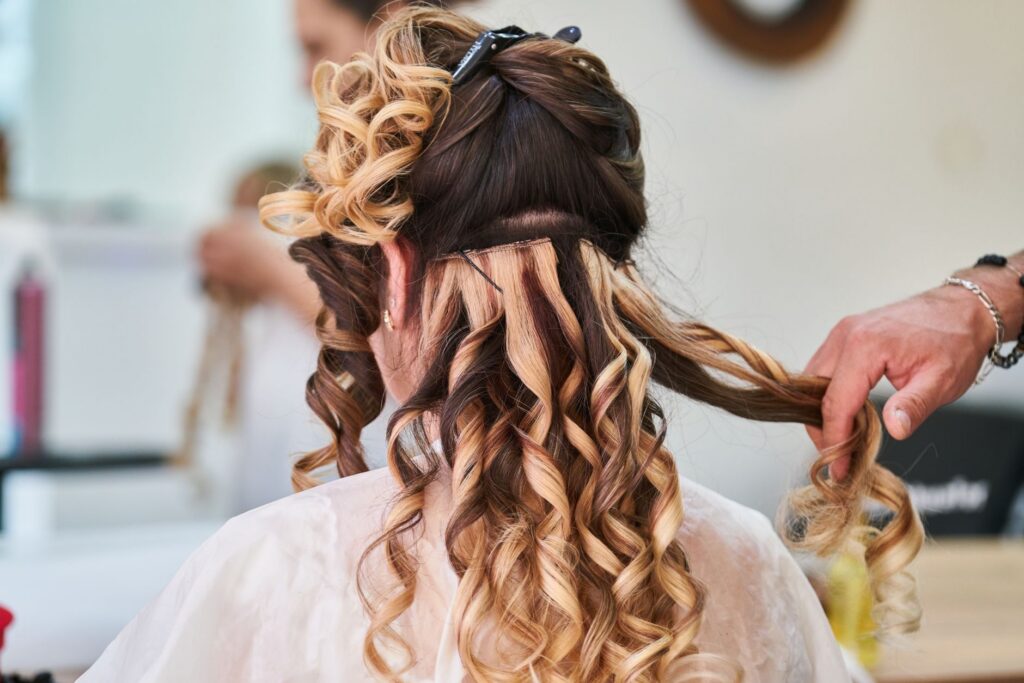
One of the most overlooked decisions when shopping for hair extensions is not color or length, but weight and volume. Choosing the wrong amount of hair can leave you with a look that feels thin and unfinished, or one that feels heavy, bulky, and uncomfortable. Understanding how hair extension weight and volume work together can help you get a natural-looking result that matches your hair goals and your comfort level.
What Does Hair Extension Weight Actually Mean
Hair extension weight refers to the total amount of hair, usually measured in grams, used to create your desired look. This applies across methods, including clip-ins, tape-ins, wefts, and tip-based extensions. More grams generally means more volume and often more length retention over time, but it also means more weight resting on your natural hair or scalp, depending on the method.
Weight is not one-size-fits-all. A set that looks perfect on someone with thick, coarse hair may look overdone on someone with fine strands, and a set built for fine hair may look sparse on someone with dense natural hair. The goal is always a blend that looks like it belongs to you.
Why Volume Matters Beyond Just Looks
Volume affects more than appearance. It influences how extensions feel throughout the day, how they move, and how long they remain comfortable to wear. Extensions that are too heavy for your natural hair can pull at the roots, feel tight, or cause discomfort by the end of the day. Extensions that are too light may shift, show gaps, or fail to deliver the fullness you were hoping for.
This is why weight and volume should be considered together with your natural hair density, not chosen based solely on the look you see in a photo or on social media.
Matching Weight and Volume to Your Natural Hair
Your natural hair type is the starting point for every weight decision. A few general guidelines can help.
- Fine or thin hair: Lighter weight sets are usually more comfortable and blend more naturally, since there is less natural hair to support the added extensions. Thinner wefts or smaller sections of tape-ins or tips often work better than heavy, bulky sets.
- Medium density hair: This hair type usually has more flexibility. A moderate weight set can add noticeable volume without feeling heavy, especially when it is placed and blended correctly.
- Thick or coarse hair: Denser natural hair can typically support more weight, and a fuller set may be necessary to achieve a blended, seamless look rather than a scattered or patchy appearance.
If you are unsure where your hair falls, a consultation with a stylist experienced in extensions is the most reliable way to get an accurate recommendation, especially before investing in a full set.
Considering Hair Length When Choosing Weight
Length and weight are closely connected. Longer extensions require more structural support to look full and move naturally, so a set that looks great at a shorter length may appear thin once extended to longer lengths. If you are adding significant length, you may need to increase the weight or volume slightly to maintain a balanced, natural appearance from root to end.
How Installation Method Affects Weight Distribution
Different installation methods distribute weight differently, which affects how much volume feels comfortable.
- Clip-in extensions rest temporarily on top of natural hair and are removed daily, so slightly heavier sets can be more manageable since they are not worn continuously.
- Tape-in extensions distribute weight across flat sections, which can feel comfortable with moderate weight but may feel heavy if oversized wefts are used on fine hair.
- Weft extensions, including hand-tied and machine-made styles, spread weight along a horizontal track, which can support fuller volume when properly fitted to your head size and hair density.
- I-tip and K-tip extensions attach in smaller, individual sections, allowing for more customization in how much volume is added and where, which can be useful for fine hair or targeted volume needs.
Because each method interacts with weight differently, the right volume for a tape-in set is not necessarily the right volume for a weft or tip-based set, even if you are going for a similar look.
Signs You May Have Chosen the Wrong Weight
If your current extensions feel too heavy, you might notice scalp tension, discomfort by midday, or a pulling sensation near the roots. If they feel too light, you may notice visible gaps, a flat crown, or extensions that do not fully blend with your natural hair. These signs are helpful indicators for adjusting your next set or discussing changes with your stylist.
Balancing Natural Look With Personal Preference
While natural hair density is the foundation for choosing weight and volume, personal preference still matters. Some people want a subtle, everyday enhancement, while others want dramatic fullness for special occasions or photography. The key is communicating your goals clearly, whether you are shopping for a set yourself or consulting with a stylist, so the recommended weight aligns with both your hair’s capacity and your desired outcome.
It also helps to think about your lifestyle. If you wear your extensions daily and style them frequently, a slightly lighter, more manageable weight may be more sustainable long term. If you primarily wear extensions for special events, a fuller, more dramatic volume may be worth the extra attention required to keep it comfortable.
Getting Personalized Guidance
Because hair density, texture, scalp sensitivity, and styling habits vary from person to person, there is no universal formula for the right hair extension weight and volume. The most reliable path to a comfortable, natural-looking result is a combination of understanding your own hair and getting input from a qualified stylist who can assess your natural hair in person.
If you are exploring options, browsing the Locks n Lure Hair shop can help you compare available styles and methods, and reaching out through the contact page is a good next step if you have specific questions about what might work best for your hair. With the right weight and volume, hair extensions can look and feel like a natural, comfortable extension of your own hair rather than an obvious addition.

