
Hair Extension Color Matching: How to Get a Seamless Blend
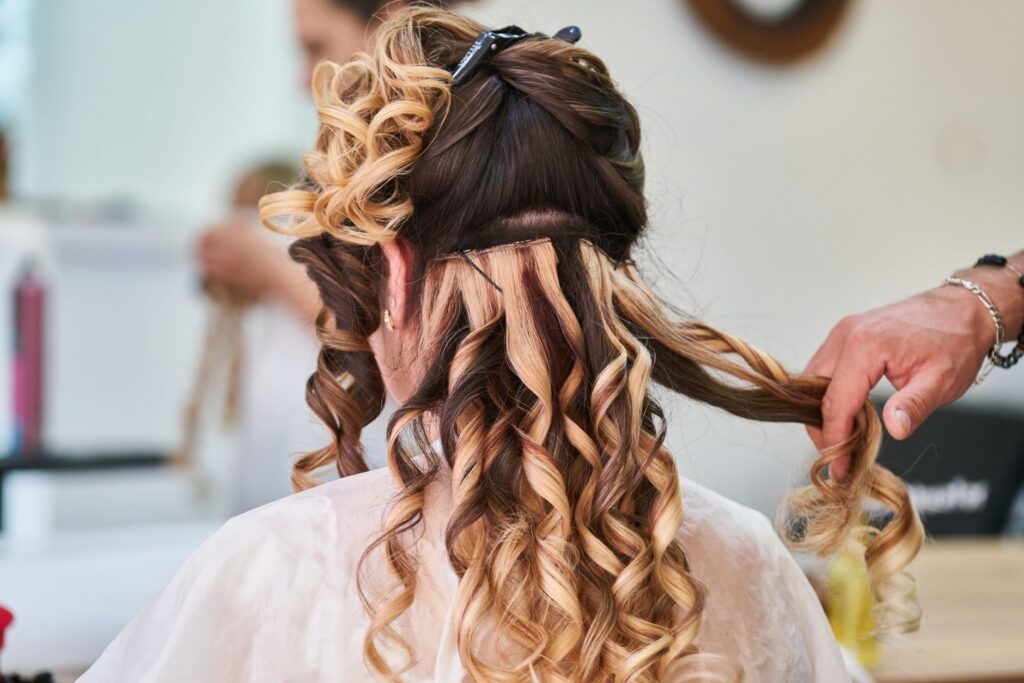
Color is often the difference between hair extensions that look like your own hair and extensions that look like an obvious addition. Getting hair extension color matching right takes a bit more thought than picking the shade closest to your box dye, but once you understand the basics, the process becomes much easier to manage on your own or with a stylist.
Why Color Matching Matters So Much
Length and volume get most of the attention when people shop for extensions, but color is what makes them blend in daylight, under salon lighting, and in photos. Even high-quality human hair extensions can look mismatched if the tone, depth, or undertone is off. A shade that looks correct on a screen can read differently once it is placed next to your natural hair, which is why understanding a few color basics before you buy is worth the extra effort.
Start With Your Natural Base Color
Before comparing extension shades, take a clear look at your hair in natural daylight, not under indoor lighting or a phone flash. Hair color has both a level of lightness or darkness and an undertone, such as warm, cool, or neutral. Two people with what looks like the same brown hair can have very different undertones, and that difference will show once extensions are added.
If your hair has not been color treated recently, check your roots for the most accurate read on your natural shade. If your hair is regularly colored, use your current maintained color rather than your natural roots, since that is what the extensions need to match.
Matching Single-Process Color
If your hair is one consistent shade from root to end, color matching is more straightforward. Look for extension shades that closely match your midshaft to ends, since that is where extensions typically blend in. A slight variation is normal and often unnoticeable once the hair is blended and styled, but a large gap in depth or tone will be visible.
Matching Highlights, Balayage, or Ombre
Multi-tonal hair requires more attention. For highlighted or balayage hair, many people choose a blended or multi-tonal extension shade rather than a single flat color, since this mimics the natural variation already in the hair. If your natural color has subtle lowlights or dimension, a solid single shade extension may look flat in comparison.
For ombre or color-melted hair, matching becomes about the transition zone as much as the color itself. Extensions installed higher on the head, such as at the crown, may need to closely match your natural root shade, while pieces placed lower can be closer to your ends.
Root Shadow and Regrowth Considerations
If you maintain a root shadow or have visible regrowth between color appointments, factor that into your matching decision. Extensions that match your ends perfectly can still look mismatched near the scalp if your natural roots are noticeably different. Discussing this with your colorist before ordering extensions can help you choose a shade that works through your entire root-to-color cycle, not just on the day of application.
Comparing Swatches the Right Way
Whenever possible, compare extension swatches to your hair in the same lighting you spend the most time in, ideally natural window light. Hold the swatch directly against your hair near your face rather than at a distance, and check it against multiple sections of your hair, since natural color often varies slightly between the crown, sides, and back.
If you are ordering online, look for detailed swatch photography and any available shade descriptions. Some shades that look similar in thumbnail images can have different underlying tones once you see them in better lighting or in person.
When to Blend Two Shades
It is common, especially with dimensional hair, to use two adjacent shades rather than one. A slightly lighter shade near the ends and a slightly deeper shade near the root can create a more natural, lived-in look. This approach works well for hand-tied wefts, tape-ins, and I-tip or K-tip methods, where individual sections can be placed strategically throughout the head.
How Extension Method Affects Color Blending
The installation method you choose can influence how forgiving or strict the color matching needs to be. Clip-in extensions are temporary and removed daily, so a close match is helpful but there is more flexibility since they are not worn continuously. Semi-permanent methods such as tape-ins, I-tips, or K-tips are worn for weeks at a time, which makes precise color matching more important since any mismatch will be visible every day until your next appointment.
If you are unsure which method fits your color situation, a professional consultation can help. A stylist can assess your natural color in person, discuss any upcoming color changes, and recommend a shade or shade combination that will blend well with your specific installation method.
Seasonal and Color-Change Considerations
If you color your hair seasonally, such as going lighter in summer or deeper in winter, keep in mind that your extensions will need to keep pace with those changes. Human hair extensions can often be toned or adjusted by a professional colorist within reason, but dramatic shifts may require a different extension shade altogether. Planning your extension purchase around your color routine, rather than after a fresh color change, can help you avoid a mismatch shortly after installation.
Getting Support When You Are Unsure
Color matching is one of the more subjective parts of buying hair extensions, and it is normal to feel unsure, especially if you are shopping for the first time. Reviewing detailed shade options in the Locks n Lure Hair shop can give you a clearer sense of available tones, and reaching out through the contact page is a practical way to ask questions before committing to a shade.
Ultimately, the best color match depends on your natural hair, your color history, your chosen installation method, and guidance from a qualified stylist who can see your hair in person. Taking a little extra time on this step pays off every time you look in the mirror, since well-matched hair extension color is what makes the difference between hair that looks added and hair that simply looks like more of your own.

