Best Hair Extensions for Fine or Thin Hair: A Buyer’s Guide
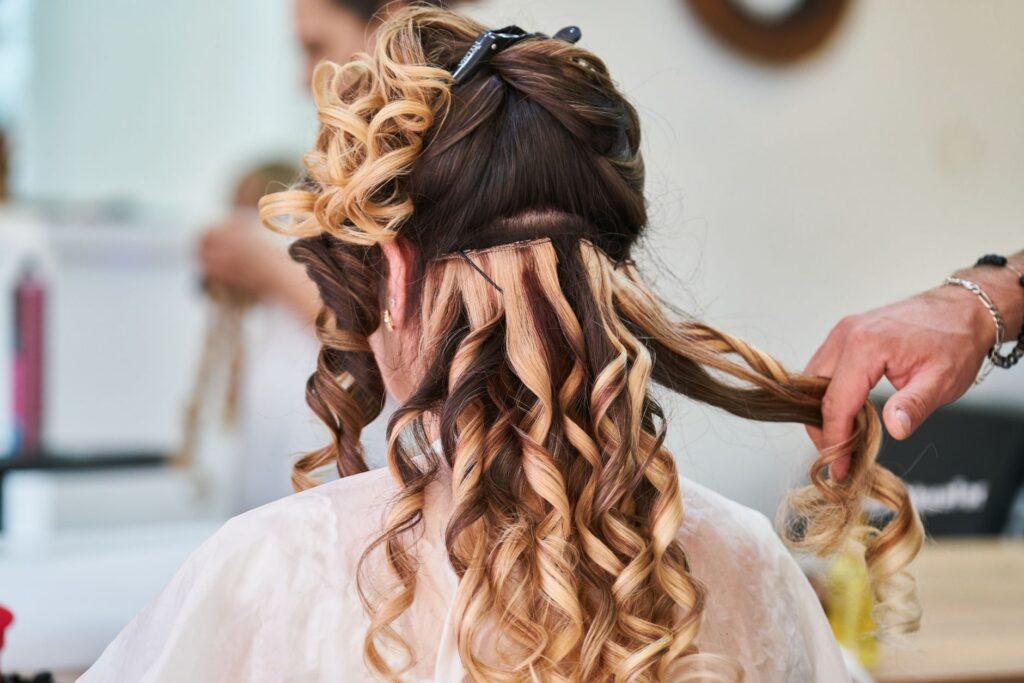
Fine or thin hair calls for a different approach to hair extensions than thick, coarse hair does. The wrong method or weight can pull on delicate strands, create visible bulk at the roots, or simply feel uncomfortable. The right choice, on the other hand, can add fullness and length while blending seamlessly. This guide walks through what to look for when choosing hair extensions for fine or thin hair, so you can make a confident decision.
Why Fine and Thin Hair Need a Different Strategy
Fine hair refers to the diameter of individual strands, while thin hair usually describes lower overall density. Many people have both traits together, though it is possible to have fine strands with high density, or thicker strands with lower density. Either way, the natural hair has less strength to support added weight, and attachment points are more visible against a thinner base.
This means the goals for fine or thin hair are usually to minimize strain on natural strands, avoid visible wefts or bonds, and choose a weight that adds volume without looking artificial or feeling heavy.
Choosing the Right Extension Method
Tape-In Extensions
Tape-in extensions are often a popular option for fine hair because the wefts lie flat against the scalp and are thinner than many other attachment types. When applied correctly by a trained stylist, the sandwich-style bonds distribute weight across a wider section of hair rather than concentrating it in one small point. This can make them feel more comfortable for people with fewer strands per section.
I-Tip Extensions
I-tip extensions use small individual strands attached with tiny silicone-lined beads, without heat or glue. Because each strand is applied separately, a stylist can customize placement and spacing to work around finer areas, which is helpful for people who want a natural part or more control over density. The individual bead size matters here, and a stylist experienced with fine hair can select or adjust beads accordingly.
Genius Wefts and Machine Wefts
Genius wefts are designed to lie flatter and thinner than traditional wefts, which can make them a comfortable option for those who want more length and volume without excess bulk. Because the weft itself is engineered to be lightweight, it may sit more naturally against a finer, thinner base compared to bulkier traditional weft styles.
K-Tip and Keratin-Tip Extensions
K-tip extensions are fused using heat and a keratin-based bond. While they offer a secure hold, the heat and bonding process require careful handling on fine hair, since strands can be more sensitive to heat exposure. A stylist can advise whether this method suits your particular hair density and condition.
Clip-Ins for a Lower-Commitment Option
Clip-in extensions remain a flexible, temporary choice for people with fine or thin hair who want added length or volume for special occasions without a semi-permanent commitment. Because clip-ins are removed daily, they do not place ongoing tension on the hair the way semi-permanent methods can. Choosing a lighter-weight set and clipping sections evenly across the head, rather than concentrating weight in one area, helps the result look natural and feel comfortable. If you are new to clip-ins, browsing available options in the shop can help you compare weights and lengths suited to finer hair.
Weight and Volume Considerations
Extension weight is measured differently depending on the method, but the general principle is the same across all types: lighter sets place less strain on natural hair. For fine or thin hair, it is usually better to start with a lighter weight and add more later if needed, rather than beginning with a heavier set that may feel uncomfortable or stress the scalp.
Volume also plays a role in how natural the finished look appears. Too much volume added to thin natural hair can create a noticeable line between the extensions and the scalp, especially at the part. A stylist can help calculate the right amount of wefts, strands, or clips based on your natural density and desired outcome.
Color Matching and Blending
Blending well is especially important for fine or thin hair since there is less natural hair to help disguise the extensions. Matching not just the base color but also any highlights, lowlights, or tonal variation helps the extensions integrate more convincingly. Many people find it helpful to bring a photo in natural light to a consultation or to request color matching guidance when shopping.
Caring for Fine Hair with Extensions
Once installed, fine or thin hair with extensions benefits from a gentle care routine. This generally includes:
- Using a soft-bristle or loop brush designed for extensions
- Avoiding excessive heat and using a heat protectant when styling
- Sleeping with hair loosely braided or in a low ponytail to reduce tangling
- Scheduling regular maintenance appointments to check tension and bond condition
Because fine hair can be more prone to breakage under stress, following your stylist’s specific aftercare instructions is especially important for maintaining both the extensions and your natural hair’s health.
Talk to a Professional Before You Buy
Every head of hair is different, and what works well for one person with fine or thin hair may not be the right fit for another. A qualified stylist can assess your natural hair’s density, texture, and scalp sensitivity before recommending a method, weight, and length. This step matters more for fine or thin hair than for thicker hair types, since the margin for error is smaller.
If you are ready to explore options, the Locks n Lure Hair shop offers a range of lengths and styles to consider, and our contact page is a good place to start if you have questions about which method might suit your hair. Choosing extensions for fine or thin hair does not have to be complicated once you understand which methods and weights are designed with comfort and natural blending in mind.

