How to Wash and Condition Hair Extensions the Right Way
Written by Jocelyne Oriol Bouchereau
Washing hair extensions might seem as simple as washing your own hair, but the wrong technique can lead to tangling, dryness, or premature shedding. Whether you wear clip-ins occasionally or have semi-permanent tape-ins, wefts, or keratin-tip strands installed by a stylist, knowing how to wash and condition hair extensions correctly is one of the easiest ways to protect your investment and keep it looking natural for longer.
Why Washing Technique Matters for Hair Extensions
Hair extensions do not receive the same natural oils from your scalp that your own hair does, especially past the point of attachment. This means they can dry out faster and become more prone to tangling if they are not cleansed and conditioned with care. At the same time, aggressive scrubbing, the wrong products, or too-frequent washing can loosen bonds, wefts, or tape strips faster than expected. The goal is to keep the hair clean and hydrated while minimizing stress on the attachment points.
How Often Should You Wash Extensions
There is no single answer that applies to everyone, since it depends on your natural hair’s oil production, the method of extension you are wearing, and your activity level. Many wearers find that washing every two to four days works well for semi-permanent methods like tape-ins, I-tips, or wefts, since washing too often can weaken adhesive or bonds over time. Clip-in extensions are different because they are removed daily, so they only need washing occasionally, based on product buildup or styling residue, not on a fixed schedule tied to your scalp.
If you are unsure how often to wash your specific installation, ask your stylist during your appointment. They can give guidance based on how your extensions were applied and how your natural hair behaves.
Washing Semi-Permanent Extensions Safely
For tape-ins, I-tips, K-tips, and sewn-in wefts, the washing process should protect the attachment points while still cleansing the scalp and lengths.
- Brush through the hair gently before washing to remove tangles and reduce shedding in the shower.
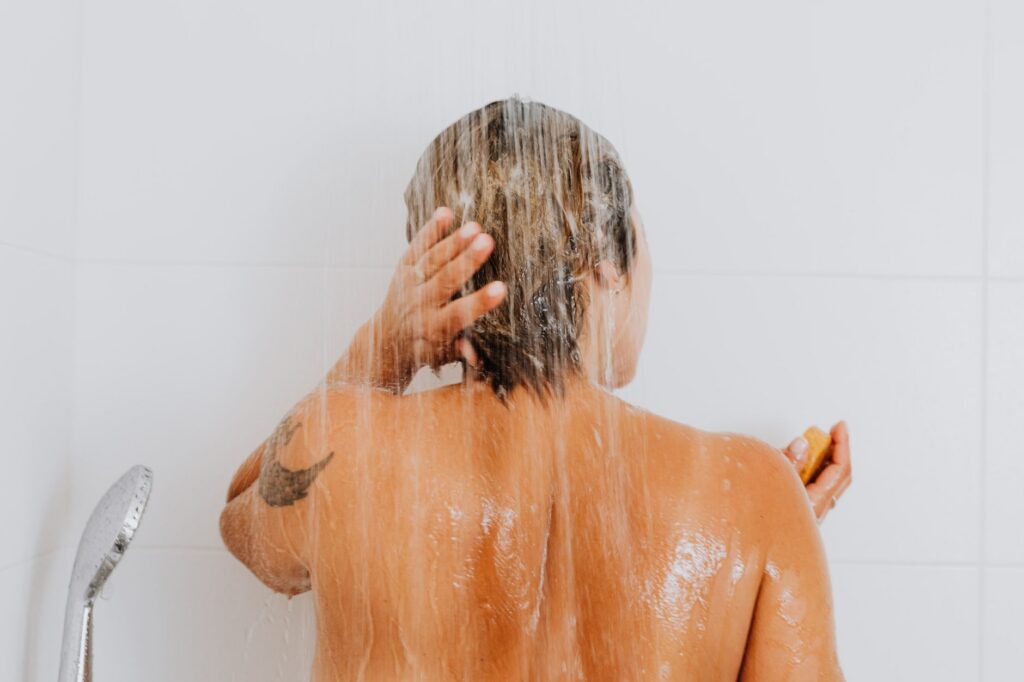
- Wet the hair thoroughly and apply shampoo to the scalp first, working it in with your fingertips rather than nails.
- Let the shampoo lather naturally flow down through the lengths instead of scrubbing the mid-lengths and ends directly.
- Avoid piling the hair on top of your head or flipping it upside down while washing, since this can cause tangling around bonds or tape strips.
- Rinse with lukewarm to cool water rather than hot water, which can be harsher on both your natural hair and the extension hair.
Washing Clip-In Extensions
Clip-ins can be washed separately from your natural hair since they are removed at the end of each day. Detangle them gently with a loop brush before washing, then cleanse in a basin with lukewarm water rather than under direct high-pressure shower flow, which can cause matting. Always let them air dry fully before storing to prevent odor or mildew, and avoid brushing them again until they are completely dry.
Choosing the Right Conditioner and Products
Conditioning is arguably even more important than shampooing when it comes to hair extension care. Extensions do not regenerate natural oils, so a good conditioner helps replace the moisture and slip needed to prevent tangling and breakage.
Look for sulfate-free shampoos and moisture-rich conditioners formulated for color-treated or chemically processed hair, since these tend to be gentler overall. Apply conditioner generously through the mid-lengths and ends, but keep it away from the roots and attachment points if you are wearing tape-ins, bonds, or wefts, since heavy conditioner or oil buildup near the scalp can loosen adhesive or bonds faster than normal wear.
A leave-in conditioner or lightweight hair oil applied only to the ends after washing can help maintain softness between wash days. Deep conditioning treatments or hair masks used once every week or two can also help keep the hair extensions looking healthy, as long as they are kept away from the root area for bonded or taped methods.
Drying and Detangling After Washing
After washing, gently squeeze out excess water with a microfiber towel rather than rubbing, which can cause frizz and tangling. Detangle from the ends upward using a loop brush or a wide-tooth comb, working in small sections. If you plan to blow-dry, use a heat protectant spray first and keep the dryer on a low to medium setting, always directing airflow downward along the hair shaft rather than against it.
Extensions attached near the scalp, such as tape-ins or K-tips, should be dried thoroughly at the root area to prevent moisture from sitting against the scalp or bonds for extended periods, which can affect how long the installation lasts.
Common Washing Mistakes to Avoid
Some of the most frequent issues with hair extension washing come down to small habits. Using too much shampoo, scrubbing vigorously at the roots, sleeping with wet hair, or skipping conditioner entirely can all shorten the life and appearance of your extensions. Overwashing can also strip natural oils faster than your scalp can replace them, leading to dryness at the roots and excess oil buildup by the next wash.
If you notice unusual shedding, tangling that will not release, or changes in how bonds or tape feel against your scalp, it is worth checking in with your stylist rather than adjusting your washing routine on your own.
Getting Professional Guidance
Every head of hair is different, and the best washing and conditioning routine for your hair extensions depends on your natural hair type, the extension method you choose, and how you style and care for your hair day to day. A qualified stylist can walk you through a routine tailored to your specific installation and recommend products suited to your hair’s needs.
If you are exploring extension options or want to see the range of methods and textures available, visit the Locks n Lure Hair shop to browse current selections, or reach out through the contact page with any questions about care and maintenance. With the right washing and conditioning habits, your hair extensions can stay soft, manageable, and natural-looking throughout their wear.
About the author
Jocelyne Oriol Bouchereau is the owner of Locks n Lure Hair and personally researches and writes its blog guides. Her articles cover hair extension selection, care, and styling for the store’s Russian and Asian Remy human hair collections.

